Third Angle Design

The lost art of...

Recently, we have seen a relentless increase in new residences and structures rising around us. Yet, when we look at these new buildings, we can’t help but feel that something is missing—an indefinable lack of ‘soul,’ wouldn’t you agree? Most of the time, we dismiss this feeling by blaming it on cheap contractor labor, inadequate architectural practices, or the simple resignation that “nothing is the same anymore.”

But why is it that nothing feels the same?

Is it possible that the issue is far more extensive than just a few architects or contractors?

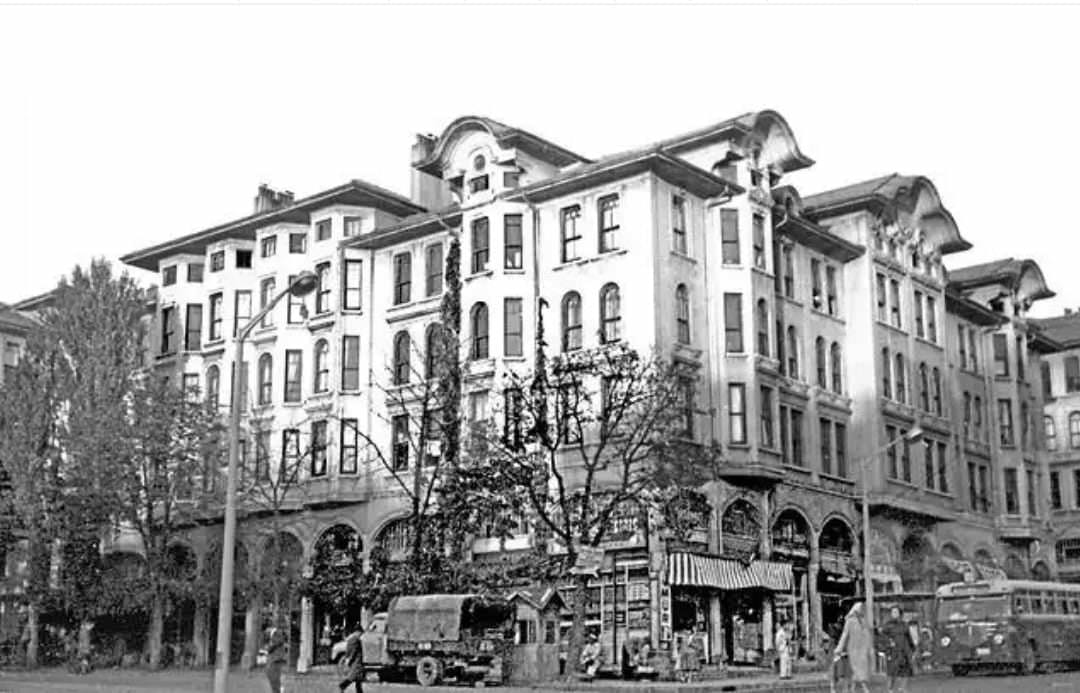
In the past, there was a direct line of communication between architects and inhabitants. “Family apartments” were built where the people who would actually live in the home worked one-on-one with the architect, developing designs based on their specific needs and desires. Even within strict zoning laws, the same structural elements would result in buildings with distinct characters and authenticity. We can still see this today in neighborhoods like Beyoğlu, Nişantaşı, and Kadıköy.

Now, as urban populations have surged, that chain of communication has been stretched thin. Real estate investors have become the architect’s primary client. Investors talk to agents, and agents talk to the people who will eventually live there. In this system, buildings have shifted from personalized designs to a model where the user is merely a ‘number.’

As a result, it became inevitable for architects and contractors to adapt to this system. The design process is no longer driven by ‘human experience,’ but by ‘marketability.’ Consequently, what emerges is not a living space, but a standardized commodity; a consumer object.

We must put the ‘inhabitant’ back at the center of design. In a cookie-cutter world, personalizing your space is about more than just decoration; it is about reclaiming that space to reflect your neurological and social needs. As we globalize, protecting and evolving our cultural heritage is a shared responsibility of designers, investors, and users alike. You can buy a space as a product; but only your story can transform it into a true living environment.

News

Related post

Let’s turn blank walls into beautiful stories and history you’ll be proud of